
女超人新抗癌技术在小鼠测试中表现出根除晚期癌症的能力_我的网站
一 | 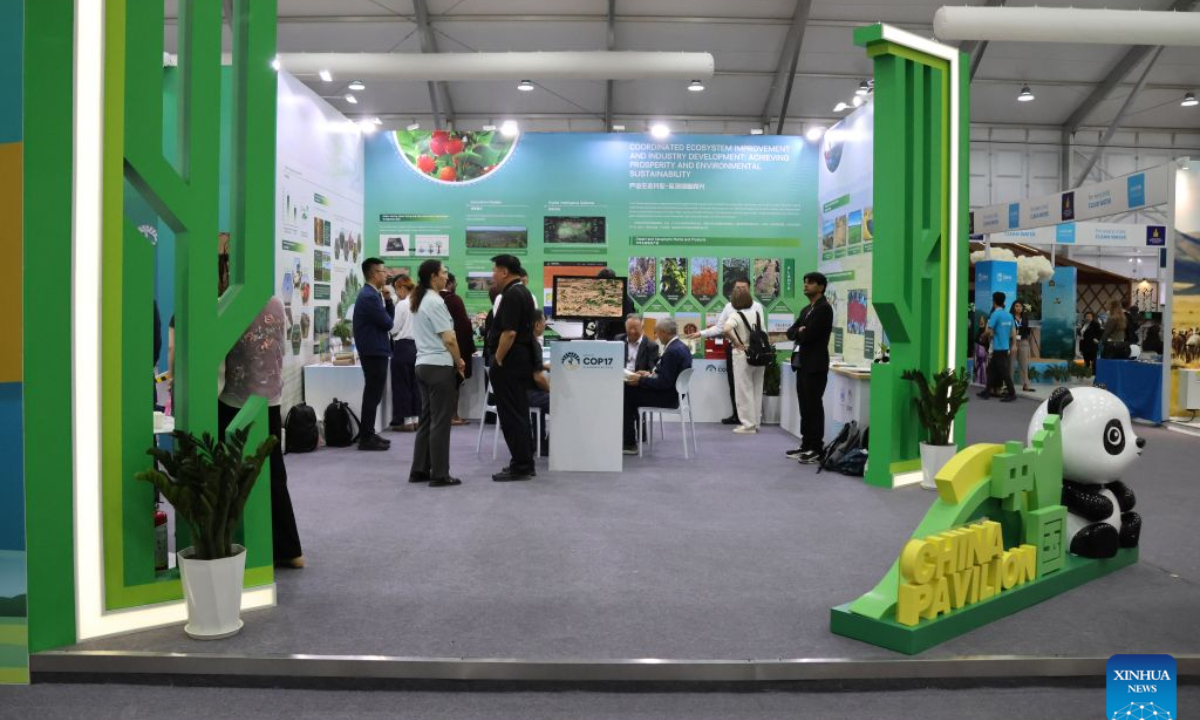 Held under the overall theme of COP17, "Restoring Land, Restoring Hope," the exhibition presents China's efforts and achievements in combating desertification through five chapters across three dimensions. Chapter 1: The Great Green Wall - Strengthening the Ecological Security Barrier in the North Since 1978, China has launched a series of major ecological projects, including the Three-North Shelterbelt Forest Program (TSFP), widely recognized as the world's largest afforestation program. The TSFP was launched in 1978 and is scheduled to run until 2050. It is being implemented in eight phases, with the program currently in its sixth phase. Since the implementation of the TSFP began, forest and grassland coverage in the project area has reached 40.76 percent, while the treatment rate of desertified land has reached 67.82 percent. Chapter 2: Prairie Conservation and Restoration - Bringing Grasslands Back to Life Since the 14th Five-Year Plan period, China has rehabilitated and restored nearly 15.33 million hectares of degraded grassland. In addition, nearly 80.66 million hectares of grassland have been restored through measures such as grazing bans and enclosure, benefiting approximately 12 million farmers and herders. Chapter 3: International Cooperation - Building a Green Community with a Shared Future Upholding the concept of a community of life on Earth, China has established desertification cooperation platforms with Arab countries, Mongolia, and Central Asian countries. It has also supported Belt and Road countries in their efforts to combat desertification, sharing Chinese experience and solutions for global ecological governance. Chapter 4: Scientific Prevention and Control - Combining Knowledge and Technology to Enhance Governance Efficiency China adheres to an integrated approach to the protection and systematic management of mountains, rivers, forests, farmlands, lakes, grasslands, and deserts. It adapts measures to local conditions, prioritizes water-efficient approaches to ecological restoration, and implements targeted treatments in different areas. In terms of technological advancement, the utilization rate of high-quality seeds has exceeded 75 percent, while the mechanization rate of sand control has reached 50 percent. The application of new equipment has increased the efficiency of sand-control operations by more than threefold. Chapter 5: Coordinated Development of Ecological Industries - Achieving Green Prosperity Together China has developed ecological industries and ecotourism initiatives tailored to local conditions, promoting the integrated development of ecological protection, industrial growth, and improvements in people's livelihoods. These efforts have helped transform desert and sandy areas into "green homes," enabling local communities to increase their incomes and achieve greater prosperity. China has seen a continuous decline in the areas affected by desertification and land salinization, becoming the first country in the world to achieve "zero growth" in land degradation. Approximately 53 percent of manageable salinized land has been effectively treated, making China a global leader in ecological restoration. During COP17, which runs through Aug. 28, the "China Corner" will also host a series of thematic side events to facilitate exchanges on ideas, technologies, and practices for combating desertification.  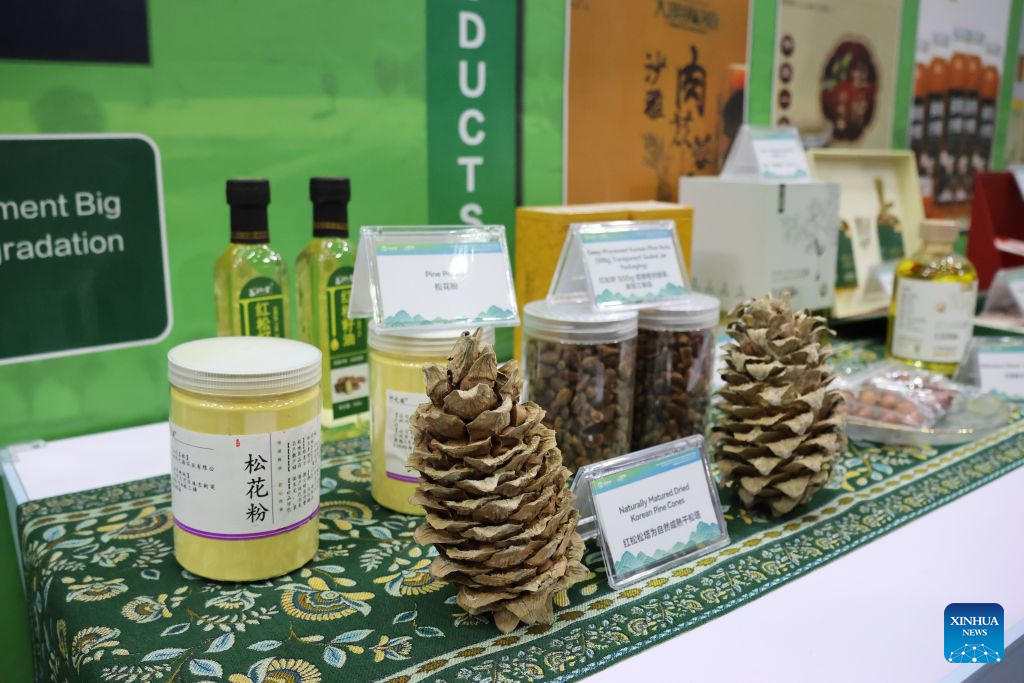 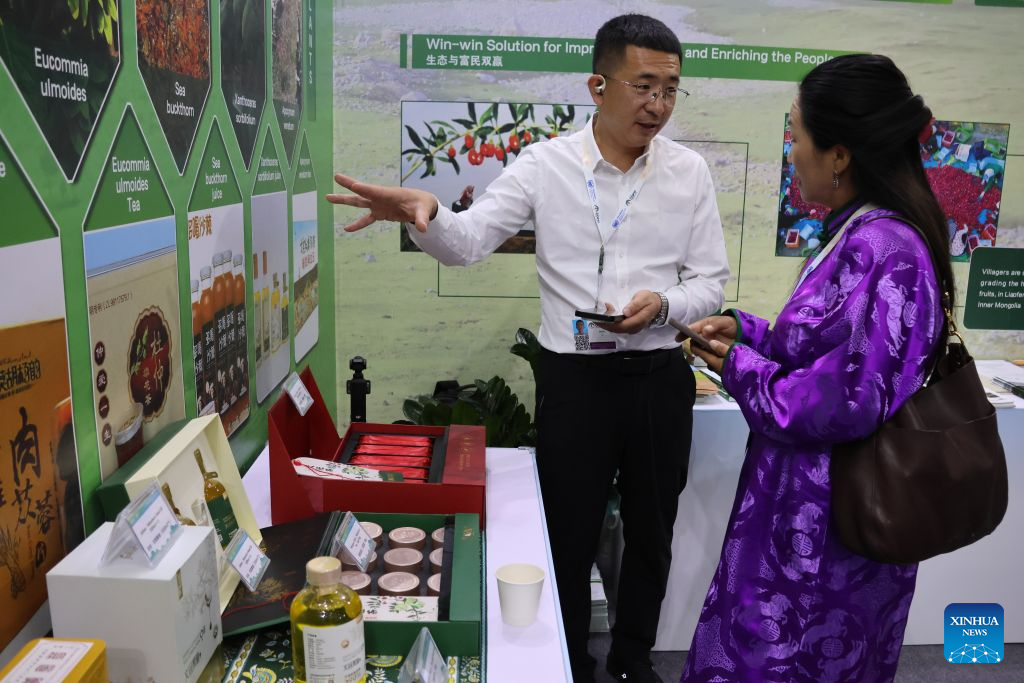 。
二 | 我们对抗癌症--乃至所有疾病--的最大武器是我们的免疫系统,但即使它有时也需要一个帮手。
三 | 免疫疗法提供了这种帮助,其中一种方法即所谓的免疫检查点抑制剂。这些药物能有效地解除免疫反应的自然刹车,从而使其能更长时间地跟癌症作斗争。尽管到目前为止这些药物看起来很有希望,但它们对一开始就没有什么免疫活动的“冷 ”肿瘤不起作用。
四 | 因此,另一种类型的药物被称为STING激动剂,旨在将这些冷肿瘤激发为热肿瘤,从而使其更容易接受免疫疗法。但这些药物也有其缺点--即很难将它们瞄准癌细胞。而这正是这项新研究的意义所在。来自耶鲁大学和URI的研究人员使用了一种叫做低pH插入肽(pHLIP)的分子来引导药物到它需要去的地方。pHLIP被吸引到酸性环境中,就像癌症在自身周围形成的那种环境一样,非常方便。该研究的论文共同作者Donald Engelman说道:“当pHLIP遇到具有中性pH值的细胞膜时,它将短暂地坐在表面,然后拉走。但如果它处于酸性环境中,那么该肽就会折叠成一个螺旋,穿过细胞膜并停留在那里。”该团队将pHLIP跟STING激动剂结合起来,从而使前者将后者带到癌细胞并帮助它们在内部开始工作。在小鼠身上的测试证明是有希望的--研究人员给20只患有小结肠肿瘤的小鼠注射了pHLIP-STING,发现在一次注射后,18只小鼠的肿瘤在几天内完全消失了。在另一组有较大肿瘤的小鼠中,10只小鼠中有7只看到它们的肿瘤完全消失。
五 | 相比之下,另一组10只小鼠只接受了STING,它们没有pHLIP的指导。
六 | 所有10只小鼠的肿瘤生长都略有减缓,但肿瘤仍然存在。这种治疗甚至似乎具有持久的效果。研究小组将新的癌细胞注射到已无肿瘤的小鼠体内,结果60天后没有新的肿瘤出现,这表明免疫记忆已经形成。虽然这项技术听起来很有希望,但通常的注意事项也是适用的--动物试验的结果并不总是能延续到人类身上。
七 | 在任何基于pHLIP-STING的潜在治疗方法能够找到用途之前还需要做更多的工作。
八 | Current article:http://fuvirn.miaorediancuisuilianzouguang.cyou/list_3ly1j/b7m.html Published on:04:26:17 |


